Networking is one of the most important elements in any job search, especially for someone new to the workforce, and LinkedIn has become the clear leader as the go-to site for ease of use and scale. In this lesson, I’ll walk you through how to network effectively on LinkedIn and maximize your connections to kickstart your career.
Reasons to network on LinkedIn
Access to opportunities Many job openings are shared within networks or posted exclusively on LinkedIn. Expanding your connections increases the chances of discovering opportunities before they’re public.
Visibility to recruiters Recruiters search LinkedIn daily to find candidates. The more connections you have, the more likely you’ll appear in their searches.
Industry insights Networking helps you stay informed about industry trends, best practices, and emerging career paths by engaging with professionals in your field.
Mentorship and guidance Building relationships with experienced professionals opens doors to mentorship opportunities that can help guide your early career decisions.
Insider Tip
Pay attention to your profile views. If a recruiter checks out your page, don’t wait—reach out. Try something like:
“Thank you for visiting my profile. I saw your company is hiring a digital marketing associate. I recently graduated with a degree in marketing from Florida State University. If it’s still open, I’d love to be considered for the position. Please let me know.”
LinkedIn connection types & how to use them
To get the most out of LinkedIn, it’s important to understand the different types of connections and how to leverage each to build your network. Here’s a breakdown:
First-degree connections
These are people you’ve directly connected with. You can send them direct messages and access their contact info. Regularly engaging with their posts helps keep the relationship warm.
Second-degree connections
These individuals are connected to your first-degree connections—friends of your friends, if you will. You can view their profiles and send connection requests to expand your network. Engaging with second-degree connections is a great way to grow your network organically.
Third-degree connections
Connected to your second-degree connections, you have limited visibility to these users, but you can still send connection requests or use InMail to contact them. Use this option when looking to broaden your reach in your target industry.
Followers
Followers can see your posts, but you’re not directly connected. While followers are good for visibility, you want to prioritize building connections over followers.
Don’t
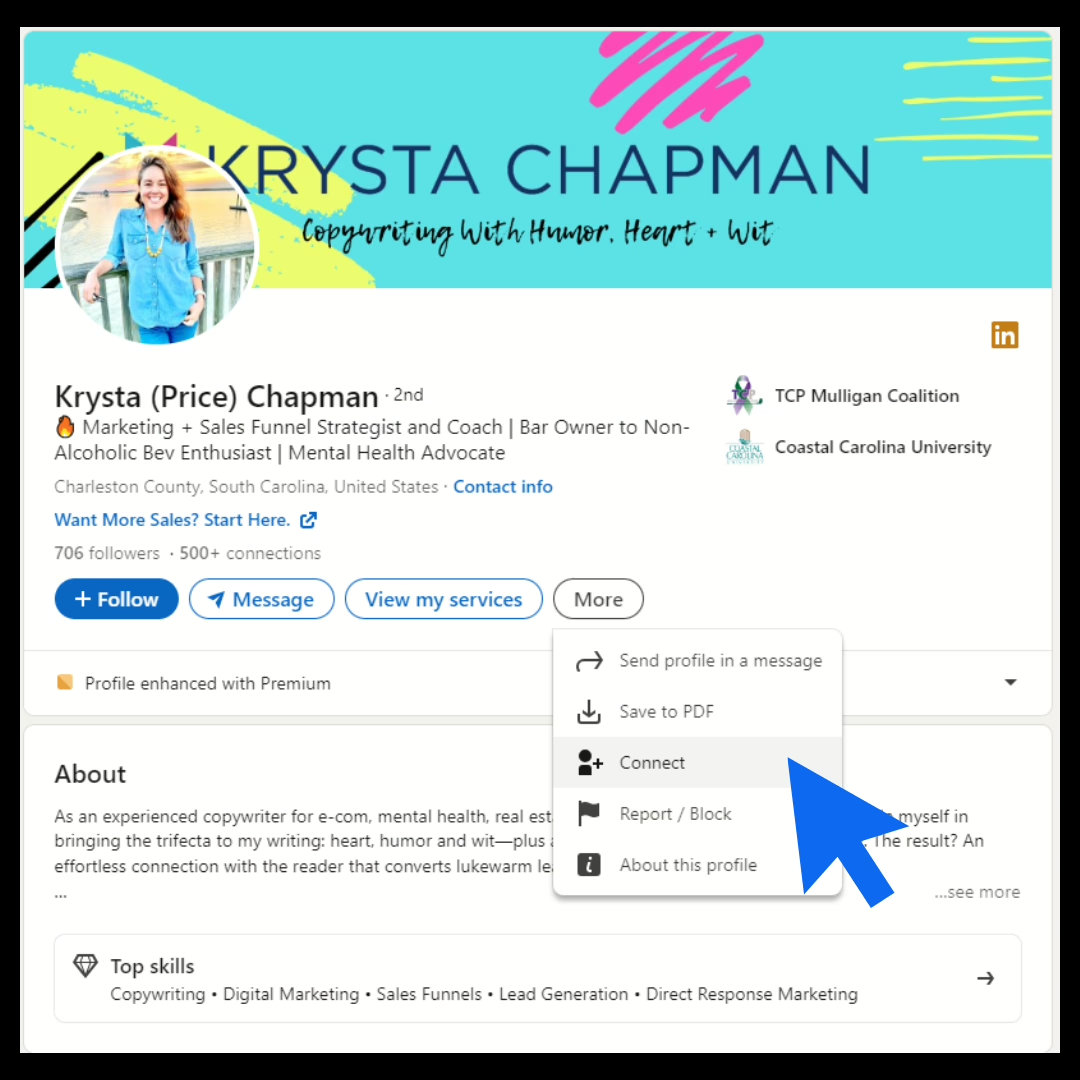
Don’t follow instead of connecting. When connecting with someone on LinkedIn, make sure to hit the “Connect” button and not the “Follow” button. For some profiles, the default option is “Follow,” but you can find the “Connect” option by clicking the “More” dropdown menu on their profile.
Group connections
These members share a LinkedIn Group with you, even if you’re not directly connected. Participate in group discussions and use the opportunity to message members without needing to be direct connections. This is a great way to network within specific industries or interest areas.
Out of network
These users are beyond your third-degree connections and not in any of your shared groups. Since these profiles are mostly inaccessible, consider using LinkedIn’s InMail feature to contact them and try to connect through shared groups.
How to engage on LinkedIn
When networking, your approach will vary depending on whether you’re reaching out to people you know or those you haven’t met (yet!). Here’s a breakdown of how to connect with different groups:
People you know
Managers and supervisors from jobs and internships
Why connect These individuals can provide valuable references and endorse your skills on LinkedIn. They might also be aware of job openings that suit your qualifications.
How to engage Send a personalized connection request, thanking them for the opportunity to work together and expressing your interest in staying connected. Periodically check in with a message or comment on their posts to maintain the relationship.
Example:Hi [Manager’s Name], I wanted to reach out and thank you again for the guidance you provided during my internship at [Company]. I’d love to stay connected here and continue learning from you as I navigate my career.
Don’t
Don’t send messages using (all) capital letters. It comes across as yelling! AND NOBODY LIKES THAT!! 😉
Former professors
Why connect Professors can offer recommendations and insights into job opportunities, especially if they’re well-connected in your industry.
How to engage Reach out with a personalized note mentioning a memorable class or project you worked on. Keep them updated on your career progress and seek their advice on industry trends.
Example:Hi Professor [Name], I hope you’re doing well! I wanted to connect with you on LinkedIn. Your [Course Name] class had a significant impact on my career path, and I’m excited to apply what I’ve learned in the job market. I’d love to stay in touch and hear your thoughts on industry trends as I begin my career.
Family, friends, and neighbors
Why connect Your personal network can be a gateway to professional opportunities. Family, friends, or neighbors might know someone in your industry or have connections at the companies you’re targeting.
How to engage Start by sending a brief note about your recent graduation and career aspirations. Ask if they know anyone in your field or could introduce you to relevant contacts.
Example:Hi [Name], I hope all is well with you! I recently graduated with a degree in [Your Major] and am beginning my job search in [Industry]. I’d love to connect here on LinkedIn and would appreciate any advice or introductions you might have to help me get started. Thank you!
Parents’ friends and friends’ parents
Why connect These connections might work in industries you’re interested in or know professionals who do. They can offer introductions or advice on how to enter the field.
How to engage Send a connection request with a note explaining your career goals and asking for any advice or connections they can offer.
Example:Hi [Name], I’m [Your Name], [Your Parent’s Name] ‘s child. I recently graduated with a degree in [Your Major] and am exploring opportunities in [Industry]. I’d love to connect with you here on LinkedIn and would greatly appreciate any advice or connections you might have to help me get started. Thank you for your time!
Mentors and coaches from childhood
Why connect Mentors and coaches often take a vested interest in your success. They can provide recommendations or connect you with professionals in their network.
How to engage Reach out with a message thanking them for their past guidance and updating them on your current career path. Ask if they’re willing to provide a recommendation or introduce you to relevant professionals.
Example:Hi [Name], I hope you’re doing well! I wanted to reconnect and thank you for all the guidance you provided during [mention specific activity or time]. I’ve recently graduated with a degree in [Your Major] and am beginning my career in [Industry]. I’d love to stay in touch and would greatly appreciate any advice or connections you could offer as I start this new chapter.
Don’t
Don’t use generic messages. Always personalize your message to show that you’ve done your homework and have a specific reason for connecting. Avoid sending generic connection requests like “I’d like to add you to my network” without additional context.
People you don’t know (yet)
College alumni
Why connect Alumni networks are incredibly supportive, with many willing to help recent grads enter the job market. Shared educational experiences create a natural connection.
How to engage Search for alumni working in your desired industry or at target companies. Send a connection request mentioning your shared alma mater and expressing interest in learning about their career path.
Example: Hi [Name], I’m a recent graduate from [Your University] with a degree in [Your Major]. I noticed you also graduated from [Your University] and are working in [Industry/Company]. I’d love to connect and hear about your career journey—any advice for someone just starting out would be greatly appreciated!
Industry professionals
Why connect Connecting with industry professionals allows you to stay informed about trends, potential job openings, and best practices.
How to engage Follow them first to engage with their content by liking or commenting on their posts. After a few interactions, send a connection request with a personalized message highlighting your interest in their work and expressing a desire to connect.
Example:Hi [Name], I’ve been following your posts on [specific topic] and have learned a lot from your insights. As a recent graduate looking to break into [Industry], I’d love to connect and learn more about your experiences. I look forward to staying engaged with your content!
Department managers and leaders from target employers
Why connect These individuals are often the decision-makers in hiring processes. Building a connection can give you insights into company culture and upcoming job opportunities.
How to engage Research their work and recent achievements before reaching out. Send a personalized connection request mentioning your interest in the company and why you admire their work.
Example:Hi [Name], I’m very impressed with the work your team has been doing at [Company]. I’m a recent graduate with a degree in [Your Major], and I’m particularly interested in [specific area relevant to their work]. I’d love to connect and learn more about potential opportunities at [Company].
Talent acquisition team members from target employers
Why connect Talent acquisition professionals are often the first to know about new job openings. Building a connection can help you stay top-of-mind when positions become available.
How to engage Connect with a message expressing your interest in the company and inquiring about potential job openings or advice on entering the field.
Example:Hi [Name], I’m a recent graduate with a degree in [Your Major] and am very interested in opportunities at [Company]. I’ve been following the company’s success in [specific area], and I’d love to connect with you to learn more about any upcoming roles that might be a good fit for my background. Thank you for your time!
Third-party recruiters/headhunters
Why connect Recruiters have access to a wide range of job opportunities, often before they’re publicly advertised. They can match you with roles that fit your skills and career goals.
How to engage Connect with a message introducing yourself, your career goals, and your key skills. Mention that you’re actively seeking opportunities and would appreciate any assistance they can offer.
Example:Hi [Name], I’m a recent graduate with a degree in [Your Major] and am currently exploring opportunities in [Industry]. I’ve heard great things about your work as a recruiter in this field, and I’d love to connect and discuss how my skills and experience might align with any opportunities you’re working on. I look forward to connecting with you!
Author note: Third-party recruiters help companies find qualified candidates for open positions, serving as a connection between employers and job seekers. You’ll learn all about them in the bonus module, “Working with Recruiters”.
Key Takeaways
Personalize every connection request: Always include a brief, personalized message explaining why you want to connect. This increases the likelihood of your request being accepted.
Be proactive: Don’t wait for opportunities to come to you—reach out to people, ask questions, and seek advice.
Engage regularly: Keep your network warm by regularly liking, commenting, and sharing posts. This keeps you visible and builds stronger relationships.
Follow up: After initial contact, periodically check in with your connections. Share updates about your job search or industry news to keep the conversation going.