
Making a Great Impression
The first few moments of a job interview can make or break your chances. How you present yourself will set the stage for everything that follows. In this lesson, we’ll cover how you can make a lasting, positive impression and stand out among other candidates.
Why first impressions matter
A lasting impact
When hiring, managers and recruiters often don’t have much more than your resume and a brief interview to base their decision on. A strong first impression can set you apart, while a poor one might make it difficult (if not impossible) to recover, even if the rest of your interview goes well.
Being memorable
After a day of meeting multiple candidates, it’s tough for interviewers to remember every detail. Making a solid impression helps you remain memorable and increases the likelihood of advancing in the process.
Insider Tip
Be warm, confident, and polite from the start. A simple smile and firm handshake will positively impact how you’re perceived.
The likability factor
Interviews aren’t just about qualifications—they’re also about likability. Even if you have the perfect skills for the role, you risk leaving a negative impression if you come across as disengaged or aloof. Managers want to hire someone they’ll enjoy working with, so being friendly and approachable can significantly increase your chances of success.
How to make a great impression
1. Research the company and interviewer
Doing your homework is one of the most effective ways to make a positive first impression. Understand the company’s mission, values, and recent projects. Research your interviewer(s) as well—perhaps they have a similar career path or academic background to yours. Try to find something in common. Even if you can’t, show you took the time to look up their professional history by working it into the conversation.
Being well-informed allows you to have deeper, more engaging conversations.
Don’t
Don’t go into an interview unprepared. Failing to research the company signals a lack of effort and does nothing to boost your candidacy.
2. Dress appropriately
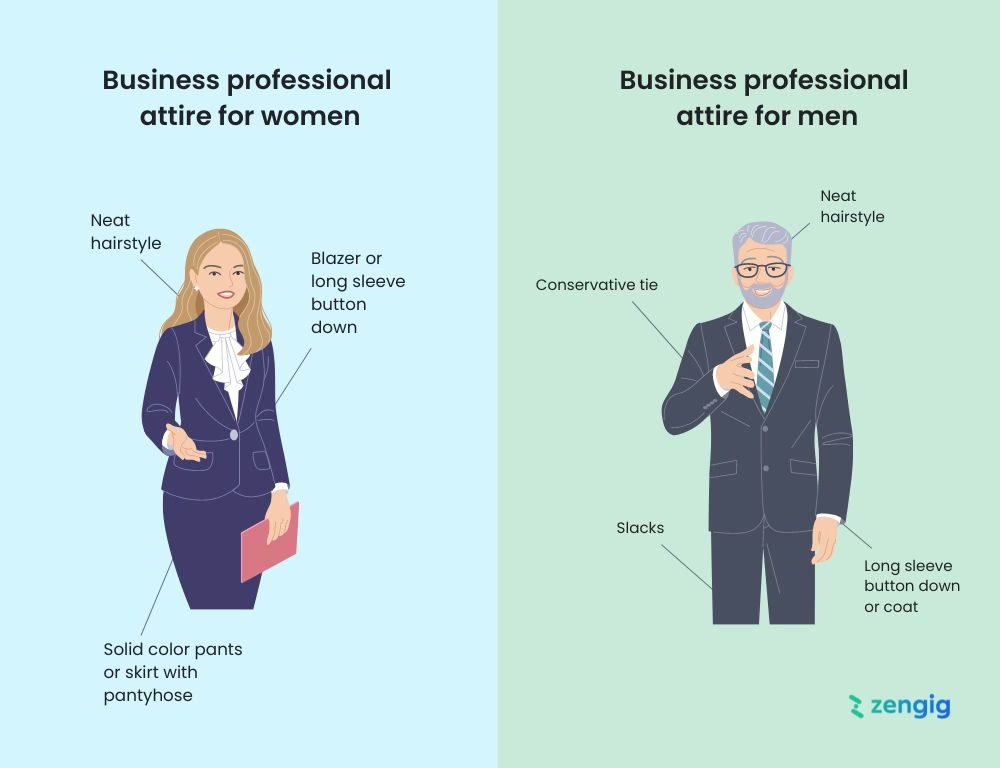
Your appearance is the first thing the interviewer will notice, so make sure you’re dressed appropriately for the company culture. It’s always better to be slightly overdressed than too casual. Make sure your clothes are clean and professional, and avoid anything too flashy.
Insider Tip
If unsure about the dress code, ask your contact when scheduling the interview, or err on the side of more formal attire.
3. Use polite and professional manners
Good manners go a long way in an interview. Greet everyone warmly, use “please” and “thank you,” and be courteous to everyone you meet—even the receptionist. A simple gesture like standing up when your interviewer enters the room or offering a firm handshake will make a positive impact.
Don’t
Don’t forget the basics. Rude or dismissive behavior can quickly derail a promising interview.
4. Smile and make eye contact
A genuine smile can set a positive tone for the interview. It makes you seem approachable and confident, while eye contact shows you’re engaged and interested in the conversation.
Insider Tip
Practice “smiling with your eyes,” as this helps convey sincerity, even in nerve-wracking situations.
5. Master small talk
The small talk before or after the formal interview is an excellent opportunity to be relatable and likable. Whether discussing the weather or your commute, small talk helps build rapport and creates a friendly, relaxed atmosphere.
Don’t
Don’t give one-word answers to small talk questions. Respond with a bit more depth to keep the conversation flowing naturally.
6. Prepare your elevator pitch (see below)
A polished elevator pitch is one of the best ways to kick off an interview. Your pitch should quickly introduce yourself, highlight your key qualifications, and explain why you’re excited about the role. Keep it under 60 seconds and tailor it to the specific company and position.
Insider Tip
Practice your pitch in front of a mirror or with a friend until you sound natural and confident.
7. Be enthusiastic
Let your genuine excitement for the position and the company show. Employers want to hire people who are qualified and passionate about the work. Enthusiasm can go a long way in leaving a lasting positive impression.
Don’t
Don’t come across as indifferent. A lack of enthusiasm can make it seem like you’re not fully invested in the opportunity.
8. Maintain strong body language
Your body language speaks volumes during an interview. Sit up straight, lean slightly forward to show engagement, and use open, confident gestures. Avoid crossing your arms or fidgeting, as these can signal discomfort or lack of interest.
Insider Tip
Mirroring your interviewer’s body language can subtly create a sense of connection.
9. Ask thoughtful questions
At the end of the interview, you’ll likely be asked if you have any questions. This is your chance to demonstrate genuine interest in the company and the role. Ask thoughtful questions that show you’re thinking about how you can contribute and grow with the company, such as “How will you measure success in this role?” and “What are the greatest challenges I will face in this position?”
Insider Tip
Ask this question first, allowing you to restate or clarify any answers you’ve provided:
“I have a couple of questions, but first, I want to make sure you have everything you need from me. If anything was unclear or you’d like to revisit a topic, I’d love the opportunity to clarify.”
Don’t
Don’t say you have no questions—it can come off like you’re disinterested or unprepared.
10. End with a thank-you
After the interview, close on a high note by thanking the interviewer for their time. Express your appreciation for the opportunity to learn more about the company and the role, and reiterate your interest in the position.
Insider Tip
Follow up with a thank-you note within 24 hours of the interview. It reinforces your professionalism and enthusiasm.
What is an elevator pitch?
An elevator pitch is a concise, well-rehearsed summary of who you are, what you do, and why you’re a great fit for the job. It’s called an “elevator pitch” because it should be brief enough to deliver during a short elevator ride—around 30 to 60 seconds.
Why you need an elevator pitch
Having an elevator pitch helps you kick off the interview with confidence. It immediately gives the interviewer a snapshot of who you are and sets a positive tone for the conversation.
Components of a great elevator pitch
Introduction
Start by introducing yourself and your background.
Value proposition
Highlight the value you bring, focusing on your skills and experience.
Unique selling points
Mention what makes you stand out.
Connection to the role
Explain why you’re a good fit for the position.
Call to action
Express your enthusiasm to discuss the opportunity further.
Key Takeaways
- First impressions are lasting, so be prepared to make a positive one from the start.
- Research, enthusiasm, and a strong elevator pitch are essential to stand out in interviews.
- Good body language, thoughtful questions, and following up with a thank-you note can help leave a memorable impression on your interviewer.
- Your elevator pitch is your chance to kick off the conversation on the right foot—practice it until it feels natural and confident.